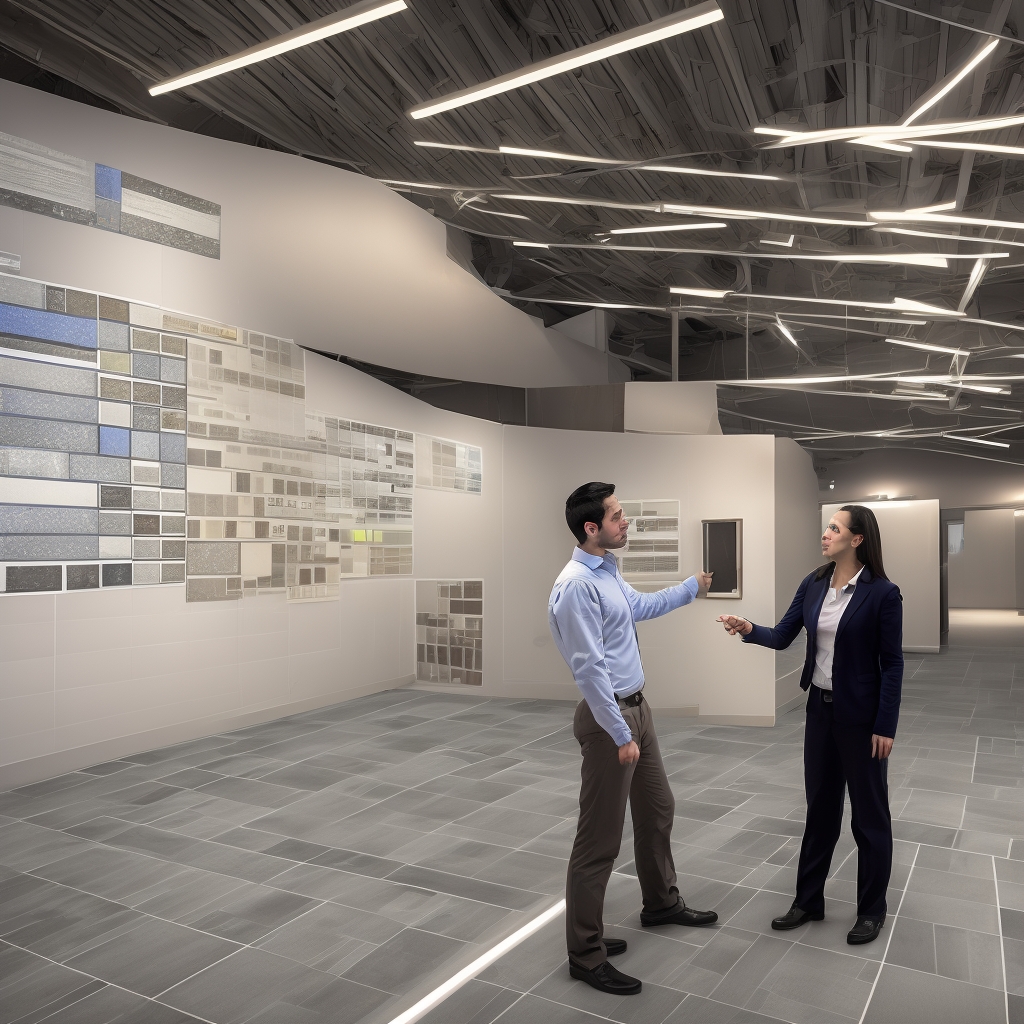
What’s the lifespan of quality flooring installations?
Quality flooring can last 10-20+ years depending on material selection and use. Interlocking tiles, when properly installed and maintained, often exceed expectations. I’ve seen installations that have performed flawlessly for over 15 years. Commercial-grade materials naturally last longer than budget alternatives. The real longevity secret is starting with quality materials and maintaining them properly. Regular cleaning and avoiding excessive moisture protect your investment for decades.
How do I maintain and clean different flooring types?
Most modern flooring is low-maintenance, which is one reason I love them. For interlocking tiles, regular vacuuming and occasional damp mopping keeps them pristine. Avoid excessive water on sealed surfaces. For specialty materials like ESD flooring, follow manufacturer guidelines for cleaning products to maintain static control properties. Commercial flooring typically has protective coatings that resist stains and scratches. The investment in quality materials often pays for itself through reduced maintenance requirements over the years.
Sustainability & Health
What are recycled flooring materials and are they as durable as new materials?
Recycled flooring materials are created from post-consumer or post-industrial waste, transformed into beautiful, durable products. I was initially skeptical, but modern recycled flooring often exceeds the performance of virgin materials. Recycled rubber, recycled vinyl, and reclaimed wood products have proven durability. Beyond durability, they offer environmental benefits—reduced waste, lower carbon footprint, and support for circular economy principles. For environmentally conscious homeowners, recycled options provide both sustainability and performance without compromise.
Are there health concerns with certain flooring materials?
This is an important consideration in any home improvement project. Quality flooring from reputable manufacturers is tested for emissions and health safety. Look for products certified as low-VOC (volatile organic compounds) or meeting standards like FloorScore certification. I specifically sought out low-emission materials for my home, especially in bedrooms and children’s spaces. Proper ventilation after installation also helps. Modern flooring materials are significantly safer than older products, but it’s worth researching specific products and manufacturers.
What does ESD flooring do and when is it necessary?
ESD (Electrostatic Discharge) flooring is specifically designed for environments where static electricity poses risks to equipment or processes. It’s essential in data centers, electronics manufacturing, medical facilities, and certain laboratory environments. I learned about ESD requirements while researching commercial flooring options—these specialized floors safely dissipate static charge, protecting sensitive equipment. For standard residential use, you won’t need ESD flooring, but for anyone working with electronics or in sensitive environments, it’s a critical investment.